Finish Carpenter in Maxton, NC for Trim and Detail Work
Baseboards, crown, door and window casing, wainscot and built-ins, cut tight and finished smooth so the room looks done.
The Last Woodwork Is the First Thing Everyone Sees
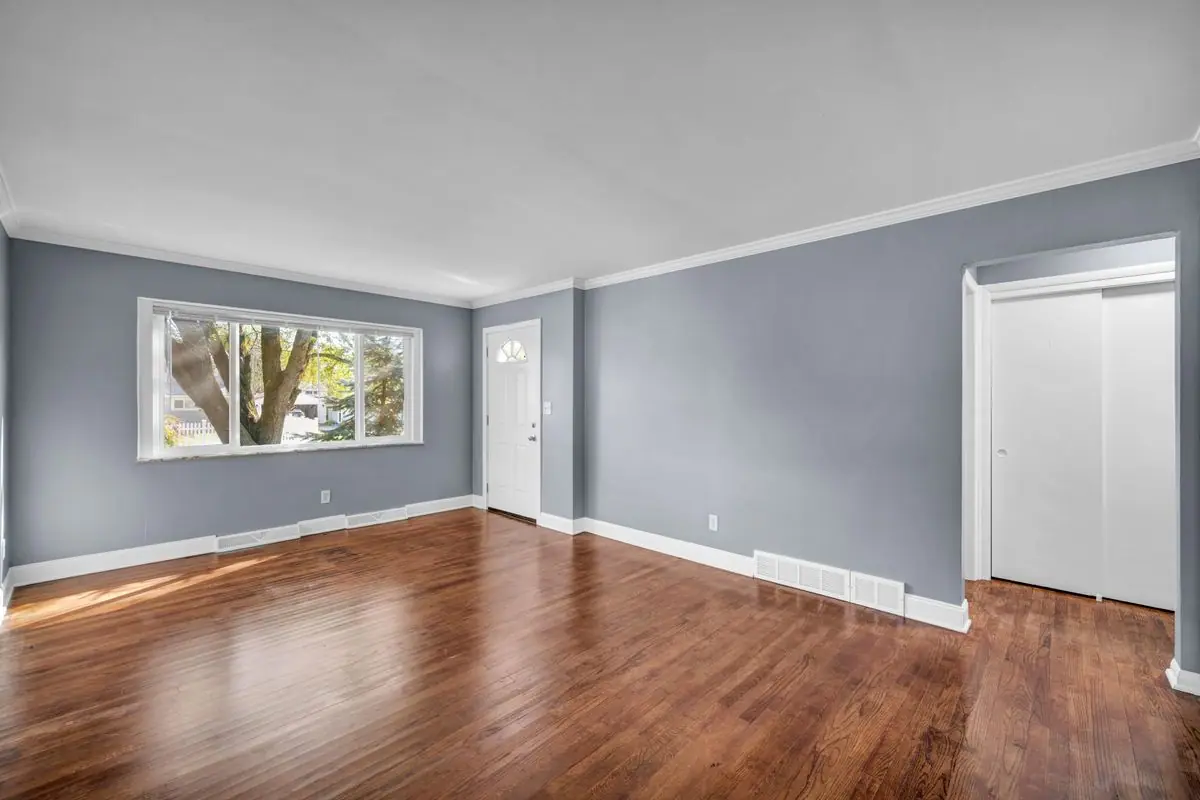
Finish carpentry is the visible end of construction: baseboards, window and door casing, crown molding, chair rail, wainscot and shelving. Framing and drywall can be perfect and a room will still look unfinished if the trim is gapped, crooked or caulked over a mess.
Old houses are rarely square, and neither is new construction on a hurried schedule. Good trim work follows the wall instead of fighting it, using scribing, back-cutting and well-fitted joints so corners close and gaps stay hidden. That is slower than nailing up lengths of molding, and it is the difference between trim that looks custom and trim that looks stuck on.
Humidity matters here too. In a part of North Carolina where the air swings between damp summers and dry winter heating, wood moves. We choose materials and joint types with that movement in mind so your trim does not open up at the first season change.
When Trim Work Is Worth Doing
- Miter joints that have opened up, or baseboards with gaps along the floor or wall
- A remodel, flooring job or drywall repair that left raw edges where trim used to be
- Cased openings and windows that look bare compared with the rest of the house
- Many layers of old paint rounding over the details of existing molding
- A desire to add chair rail, wainscot or crown to a room that feels plain
- A room that needs shelving or a built-in to use an awkward corner or alcove
How We Install Trim
- Plan the profilesWe pick the size and style of baseboard, casing and crown so the proportions suit your ceiling height and the other rooms.
- Measure and acclimateRooms are measured carefully, and materials are brought inside to settle before cutting so they move less after installation.
- Cut and fitJoints are cut to the actual angle of each corner rather than a flat 45 degrees, and pieces are scribed to uneven walls and floors.
- Fasten and fillTrim is nailed to studs, nail holes are filled, and seams are sanded flush so they disappear under paint.
- Caulk and finishGaps against the wall are caulked, and we can prime and paint the trim ourselves or leave it ready for your painter.
What Affects the Cost of Trim Work
Why Martinez Construction for Finish Carpentry
Jorge works the whole sequence of a house, from rough framing through drywall to the final details, so he knows what the walls underneath the trim look like and how to make the two meet cleanly. A framer who finishes tends to understand why a corner is out of square and what to do about it.
Trim is often the last item on a remodel, which is when schedules get tight. We build the trim into the plan from the start so it is not rushed at the end, and we can handle paint as well so the details are finished in one visit.
Trim and Finish Work in Maxton and Fayetteville
We install trim in Maxton and across Robeson County, and take on detail work in Fayetteville, where older homes in historic neighborhoods often need trim matched to period profiles. For long runs of crown or full-room packages, call so we can plan the days on site.
Finish Carpentry and Trim FAQs
What is the difference between finish carpentry and framing?
Framing is the hidden structure of floors, walls and roofs. Finish carpentry is the visible woodwork that goes on after drywall: baseboards, casing, crown, wainscot and built-ins. Framing is about strength and square, finish work is about fit and appearance.
Should I choose MDF or real wood trim?
Primed MDF is smooth, affordable and takes paint well, which makes it popular for painted trim in dry rooms. Real wood is stronger, holds up to dents better, and is the choice when you want to stain. In bathrooms and other damp places we often recommend PVC trim instead.
Why do the corners of my trim keep opening up?
Wood expands and contracts with humidity, and North Carolina swings between damp summers and heated, dry winters. Joints cut to the wrong angle or nailed into drywall instead of studs open fastest. Properly fitted and fastened joints stay closed far longer.
Can you add trim to a house that has none?
Yes. Plain walls with simple drywall returns around windows can be given casing and baseboards that change the look of the whole room. We help you choose profiles that suit the ceiling height and the style of the house.
Do you paint the trim after you install it?
We can. Trim is usually primed, filled, caulked and painted in one pass so the work is finished together. If you already have a painter lined up, we leave the trim sanded and ready.
Can you match trim in an older house?
Often we can get very close. We take a sample of the existing profile, find the nearest stock molding or build up the profile from layers, and blend new pieces into the old so the difference is hard to spot.
Related Services

Interior Painting
Clean lines, even coverage and a crew that protects your floors and furniture.
Learn more →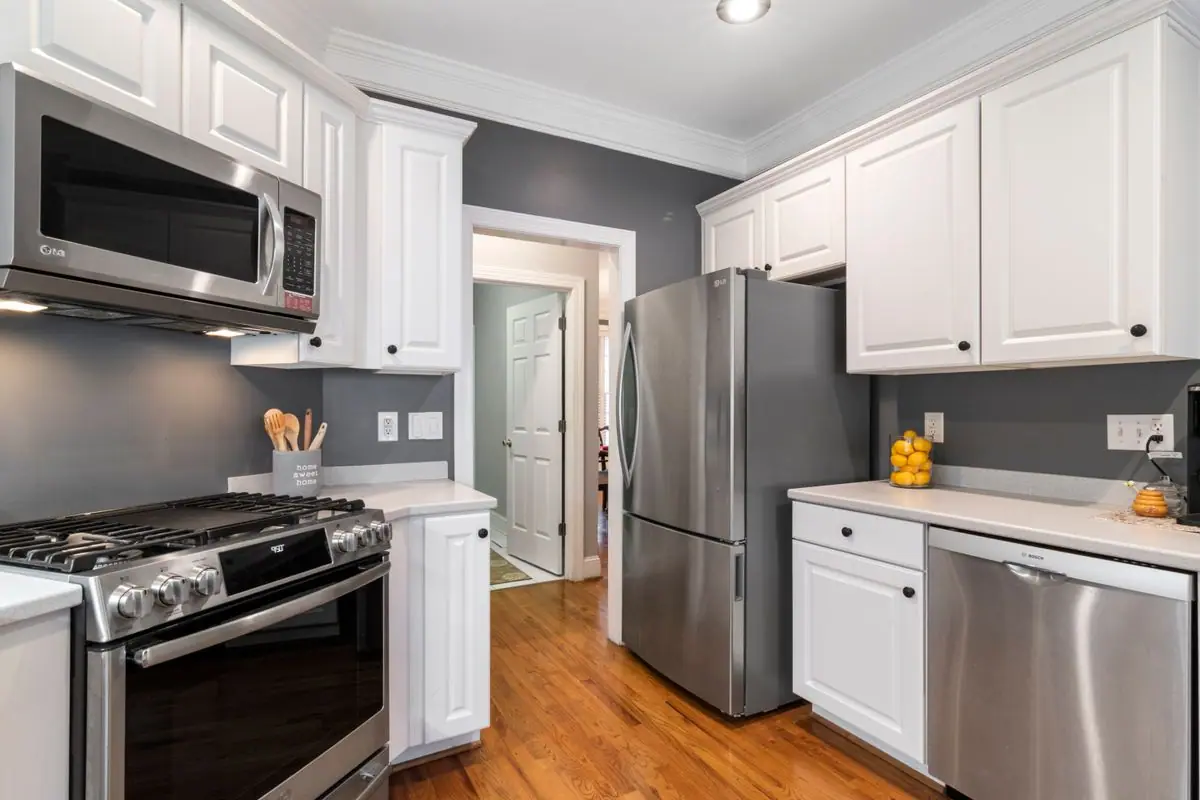
Kitchen Remodeling
New cabinets, counters, layouts and finishes for the room your family uses most.
Learn more →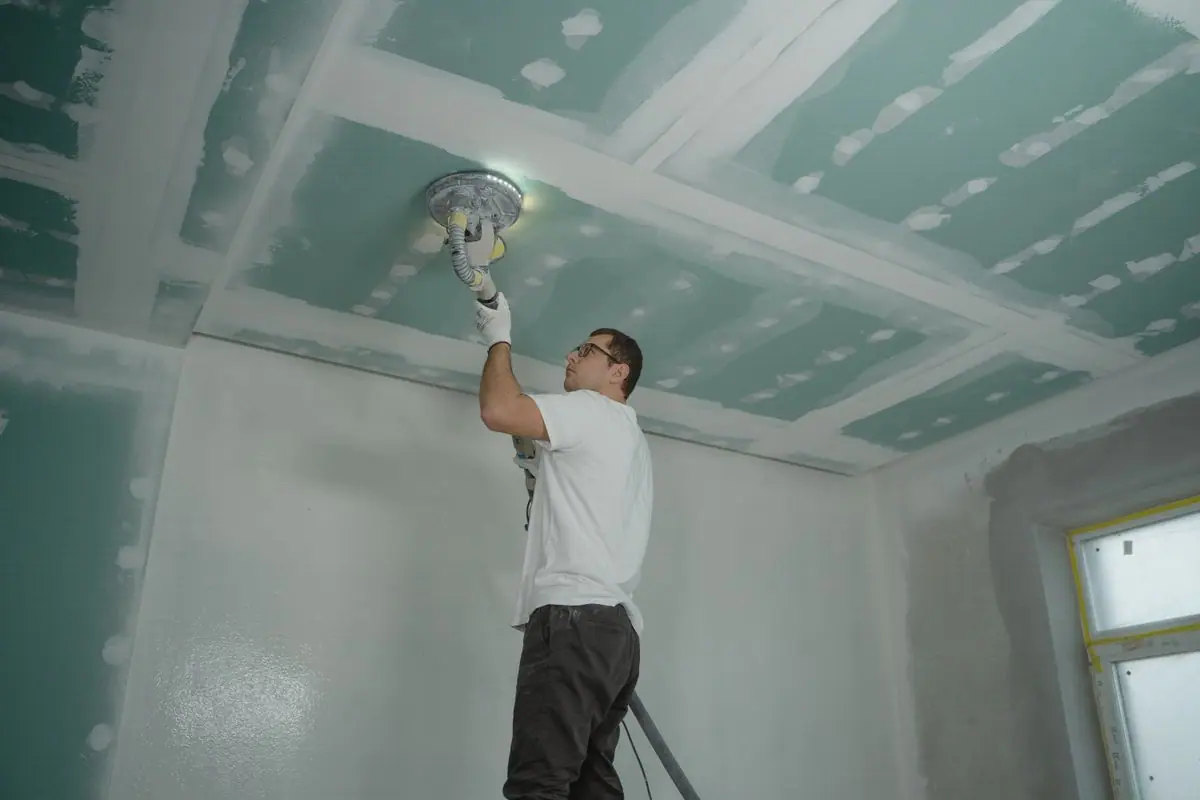
Drywall Installation and Finishing
Hung, taped, mudded and sanded smooth, ready for primer and paint.
Learn more →Want Your Trim Done Right?
Tell us which rooms need work and we will look at the details and give you a written price.
Call (910) 964-1522